
How Decentralised Clinical Trials Are Transforming Research with Smarter Medical Monitoring and Outsourced Expertise
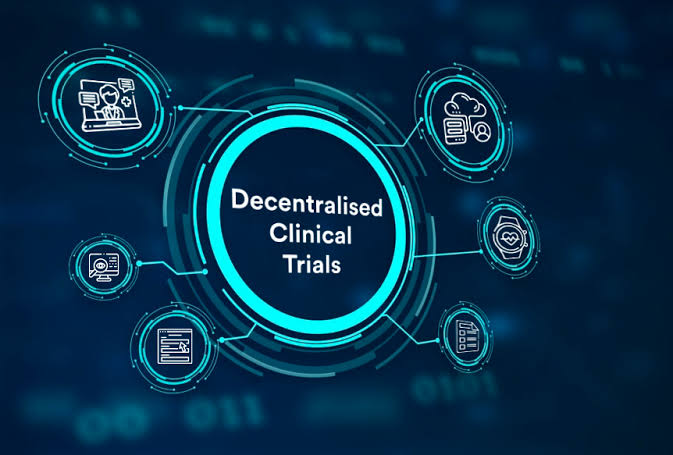
The clinical research industry has entered a new era where innovation extends beyond drug discovery and medical devices. Today, organizations are transforming the way clinical studies are planned, managed, and executed by embracing digital technologies, remote patient engagement, and specialized consulting expertise. As competition grows and regulatory expectations become more demanding, companies need flexible solutions that improve efficiency without compromising patient safety or compliance.
Three major trends are driving this transformation: Decentralised Clinical Trials, advanced medical monitoring clinical trials, and the decision to outsource clinical trials to experienced consulting partners. Together, these strategies are helping pharmaceutical companies, biotechnology firms, contract research organizations (CROs), and medical device manufacturers reduce delays, improve data quality, and bring innovative therapies to patients faster.
BioNetwork Consulting supports this evolving landscape by combining regulatory expertise, Computer System Validation (CSV), quality assurance, and specialized clinical recruitment to help organizations successfully manage every phase of clinical development.
The Growing Importance of Decentralised Clinical Trials
Traditional clinical trials often require participants to visit research sites repeatedly throughout a study. While this approach has served the industry for decades, it can create barriers for patient participation, increase operational costs, and extend study timelines.
Decentralised Clinical Trials offer a more patient-focused alternative by integrating digital technologies, remote monitoring, telemedicine, wearable devices, and home-based assessments. Instead of requiring frequent travel to research facilities, participants can complete many study activities from their homes while remaining closely connected to investigators.
This modern approach delivers several important advantages:
- Improved patient recruitment and retention
- Greater access to diverse patient populations
- Reduced travel burdens for participants
- Faster enrollment timelines
- Continuous collection of real-world clinical data
- Enhanced patient engagement throughout the study
As life sciences organizations continue expanding global research programs, decentralized models have become an essential strategy for improving both operational efficiency and patient satisfaction.
Why Medical Monitoring Clinical Trials Matter
While digital transformation improves flexibility, clinical oversight remains critical throughout every study. Effective Medical monitoring clinical trials ensure patient safety, maintain protocol compliance, and support accurate interpretation of clinical data.
Medical monitors play an essential role by reviewing participant safety information, evaluating adverse events, assisting investigators with clinical questions, and ensuring the study follows established regulatory requirements.
Strong medical monitoring contributes to:
- Early identification of safety concerns
- Consistent protocol implementation
- Better communication between sponsors and investigators
- Improved regulatory readiness
- Higher quality clinical data
- Reduced compliance risks
As decentralized studies become more common, medical monitoring has evolved alongside them, utilizing secure digital platforms and real-time reporting systems that allow experts to oversee studies regardless of geographic location.
Why Organizations Choose to Outsource Clinical Trials
Managing clinical research internally requires significant investment in specialized personnel, regulatory knowledge, quality systems, and operational infrastructure. For many organizations, especially emerging biotechnology companies, maintaining these resources can be both expensive and time-consuming.
This is why many sponsors choose to Outsource clinical trials to experienced consulting organizations that provide dedicated expertise throughout the clinical development lifecycle.
Outsourcing allows companies to:
Access Specialized Expertise
Clinical development involves multiple disciplines including regulatory affairs, quality assurance, data management, clinical operations, recruitment, and validation. Experienced consulting partners provide professionals who understand these complex requirements.
Accelerate Study Timelines
Established consulting teams already possess proven workflows, regulatory knowledge, and experienced personnel, allowing projects to move more efficiently from planning through execution.
Improve Regulatory Compliance
Compliance remains one of the biggest challenges in clinical research. External experts help organizations meet FDA, EMA, and other global regulatory expectations while reducing audit findings and documentation issues.
Reduce Operational Costs
Rather than maintaining large internal teams year-round, organizations can scale resources according to project needs, creating greater flexibility while controlling overall costs.
The Role of Technology in Modern Clinical Research
Technology has become the backbone of today’s clinical trials. Electronic Trial Master Files (eTMF), Electronic Data Capture (EDC), Clinical Trial Management Systems (CTMS), cloud-based platforms, and remote monitoring tools generate enormous amounts of regulated data.
Every digital system used in clinical research must function reliably while meeting strict regulatory standards. This is where Computer System Validation (CSV) becomes essential.
BioNetwork Consulting provides specialized CSV expertise that helps life sciences organizations validate GxP-regulated systems throughout their lifecycle. Proper validation ensures systems remain secure, accurate, traceable, and compliant with global regulations.
Validated digital platforms provide confidence that clinical data remains reliable from initial patient enrollment through regulatory submission.
Recruiting the Right Clinical Talent
Even the most advanced technology cannot replace experienced clinical professionals.
Successful decentralized and traditional clinical studies require highly qualified individuals across multiple roles, including:
- Clinical Research Associates
- Clinical Project Managers
- Medical Monitors
- Regulatory Specialists
- Quality Assurance Professionals
- Data Managers
- Clinical Trial Coordinators
- Validation Specialists
Finding these professionals in a competitive market can be difficult.
BioNetwork Consulting helps organizations overcome this challenge through specialized recruitment services focused exclusively on the life sciences sector. By connecting sponsors with experienced professionals, companies can build stronger study teams while maintaining project momentum.
Compliance Remains the Foundation of Success
Innovation alone is never enough in clinical research.
Every decision—from selecting digital platforms to hiring clinical personnel—must support regulatory compliance and patient safety.
Successful organizations integrate compliance into every phase of development by focusing on:
- Risk-based quality management
- Computer System Validation
- Data integrity
- Documentation accuracy
- Standard Operating Procedures (SOPs)
- Regulatory inspections
- Continuous quality improvement
This proactive approach reduces costly delays while increasing confidence during audits and regulatory submissions.
Supporting Every Stage of Clinical Development
Clinical development extends far beyond patient enrollment.
Organizations often require support throughout multiple stages, including:
- Pre-clinical planning
- Clinical trial startup
- Study execution
- Medical monitoring
- Data validation
- Regulatory documentation
- Commercialization preparation
- Post-market activities
BioNetwork Consulting offers expertise that spans these critical phases, enabling organizations to maintain consistency while adapting to changing project requirements.
Whether implementing validated software systems, preparing for regulatory inspections, or expanding clinical teams, having experienced consultants available throughout the development process helps minimize risk and improve long-term outcomes.
Building a More Agile Future for Clinical Research
The future of life sciences depends on organizations that can combine scientific innovation with operational excellence.
Decentralized study models, enhanced medical monitoring, digital transformation, and strategic outsourcing are no longer optional—they have become essential competitive advantages.
Companies that successfully integrate these approaches can improve patient experiences, strengthen regulatory compliance, accelerate research timelines, and optimize operational performance.
By combining regulatory expertise, Computer System Validation, quality assurance, and specialized clinical recruitment, BioNetwork Consulting helps pharmaceutical, biotechnology, and medical device organizations confidently navigate today’s increasingly complex clinical research environment.
Conclusion
Clinical research continues to evolve as organizations seek faster, safer, and more efficient ways to develop life-changing therapies. Decentralised Clinical Trials, comprehensive medical monitoring clinical trials, and strategic decisions to outsource clinical trials are reshaping the industry by improving patient access, strengthening compliance, and accelerating innovation.
With deep expertise in Computer System Validation, regulatory consulting, quality assurance, and specialized clinical recruitment, BioNetwork Consulting serves as a trusted partner for life sciences organizations looking to modernize operations while maintaining the highest standards of quality and compliance. As the industry moves toward a more connected and patient-centered future, partnering with experienced experts ensures organizations remain prepared for every stage of clinical development while delivering better outcomes for patients worldwide.