The Ultimate GxP Compliance Checklist for Biotech Startups: Leveraging AI, Expert Consulting, and Strategic Recruitment for Faster Growth
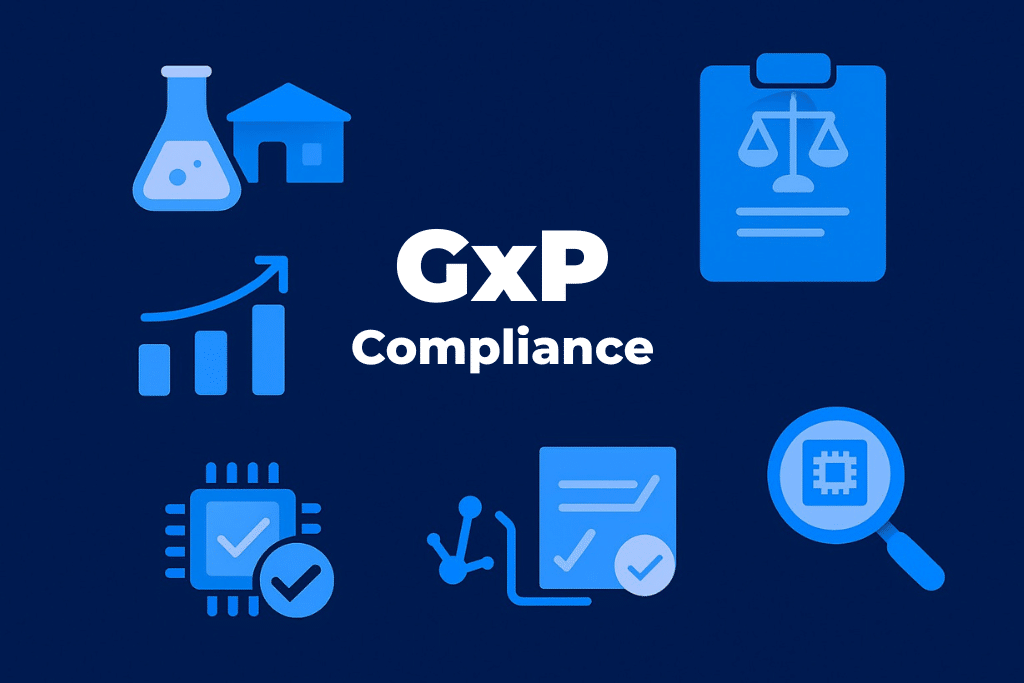
The biotechnology industry is experiencing a remarkable transformation. Artificial intelligence (AI), cloud-based systems, digital therapeutics, and advanced analytics are reshaping how biotech companies conduct research, manage clinical trials, and bring innovative therapies to market. However, with innovation comes increased regulatory responsibility. For biotech startups, maintaining GxP compliance while adopting cutting-edge technologies can be one of the biggest challenges on the path to commercialization.
A strong compliance framework is no longer optional—it is a critical component of long-term success. Whether you’re developing a breakthrough therapy, implementing AI-powered systems, or preparing for regulatory inspections, having the right strategy, expertise, and talent in place can significantly reduce risks and accelerate growth.
At BioNetwork Consulting, organizations gain access to specialized regulatory expertise and workforce solutions designed to help biotech companies navigate complex compliance requirements with confidence.
Why GxP Compliance Matters in Modern Biotechnology
Good Practice (GxP) regulations provide the foundation for quality, safety, and data integrity throughout the life sciences industry. These guidelines ensure that products are consistently developed, manufactured, tested, and monitored according to established quality standards.
For biotech startups, GxP compliance impacts nearly every aspect of operations, including:
- Research and development
- Clinical trial management
- Laboratory systems
- Manufacturing processes
- Quality assurance programs
- Data management platforms
- AI-driven decision-making systems
Failure to comply with GxP requirements can result in regulatory delays, costly remediation efforts, warning letters, and potential product approval setbacks.
As startups increasingly integrate AI technologies into their operations, maintaining compliance becomes even more critical.
The Growing Importance of GxP Compliance for AI
Artificial intelligence is revolutionizing biotechnology by improving data analysis, accelerating drug discovery, optimizing clinical trial recruitment, and enhancing predictive modeling. However, regulatory agencies are paying close attention to how AI systems are developed, validated, and maintained.
GxP compliance for AI requires organizations to demonstrate that automated systems consistently perform as intended and produce reliable, traceable, and accurate results.
Biotech startups should evaluate AI systems using the following compliance principles:
1. Establish Clear Validation Requirements
Every AI-powered system operating within a GxP-regulated environment should undergo comprehensive Computer System Validation (CSV). Validation activities should confirm:
- Intended use documentation
- Functional specifications
- Risk assessments
- Testing protocols
- Performance qualification
- Ongoing monitoring procedures
Proper validation helps ensure AI-generated outputs remain reliable throughout the system lifecycle.
2. Maintain Data Integrity
AI systems depend on high-quality data. Regulatory agencies expect organizations to maintain complete, accurate, and secure records.
Key considerations include:
- Audit trails
- Data traceability
- User access controls
- Change management procedures
- Backup and recovery systems
Data integrity remains one of the most heavily scrutinized areas during regulatory inspections.
3. Implement Risk-Based Validation
Not all AI applications carry the same level of risk. Startups should classify systems based on their impact on patient safety, product quality, and regulatory decision-making.
Higher-risk systems require more rigorous validation and documentation activities.
4. Monitor AI Performance Continuously
AI models evolve over time. Organizations must establish procedures to monitor performance, detect deviations, and manage model updates while maintaining compliance.
Regular reviews help ensure ongoing regulatory readiness and system reliability.
The GxP Compliance Checklist for Biotech Startups
To help biotech organizations establish a strong compliance foundation, consider the following checklist:
Organizational Readiness
✔ Develop a quality management system (QMS)
✔ Define compliance responsibilities
✔ Establish standard operating procedures (SOPs)
✔ Train employees on GxP requirements
✔ Create document control processes
Computer System Validation
✔ Perform system risk assessments
✔ Develop validation plans
✔ Execute installation qualification (IQ)
✔ Complete operational qualification (OQ)
✔ Conduct performance qualification (PQ)
✔ Maintain validation documentation
AI and Digital Systems Compliance
✔ Define intended use for AI applications
✔ Validate algorithms and workflows
✔ Monitor system performance
✔ Maintain audit trails
✔ Control software changes
✔ Conduct periodic reviews
Data Integrity
✔ Ensure secure data storage
✔ Implement backup procedures
✔ Restrict user access appropriately
✔ Maintain electronic records compliance
✔ Verify data accuracy and completeness
Regulatory Inspection Readiness
✔ Conduct internal audits
✔ Review documentation regularly
✔ Address compliance gaps proactively
✔ Maintain training records
✔ Prepare inspection response plans
Following this checklist helps startups establish a scalable compliance framework that supports future growth and regulatory success.
Why Biotech Consulting Firms Play a Critical Role
Building internal compliance expertise can be difficult for early-stage biotech companies operating with limited resources. This is where experienced Biotech consulting firms provide substantial value.
Specialized consultants help organizations:
- Develop validation strategies
- Interpret evolving regulations
- Prepare for audits and inspections
- Implement quality systems
- Validate GxP-regulated software
- Support AI compliance initiatives
By working with experts who understand both scientific innovation and regulatory requirements, startups can avoid common compliance pitfalls while accelerating development timelines.
BioNetwork Consulting combines deep industry knowledge with practical implementation experience, helping life sciences organizations create compliance programs that align with FDA, EMA, and global regulatory expectations.
The Growing Demand for Biotech Recruiting Services
Compliance alone cannot drive success. Organizations also need highly qualified professionals capable of executing clinical, quality, and regulatory initiatives.
As competition for skilled life sciences talent intensifies, Biotech recruiting services have become an essential growth strategy for emerging companies.
Recruitment specialists help identify professionals in areas such as:
- Clinical operations
- Regulatory affairs
- Quality assurance
- Computer system validation
- Data management
- Clinical research coordination
- Pharmacovigilance
- Manufacturing quality systems
Access to specialized talent allows startups to scale efficiently without compromising compliance or operational excellence.
Building a Compliance-Driven Growth Strategy
Successful biotech companies understand that innovation and compliance are not competing priorities—they are complementary drivers of growth.
A compliance-driven strategy should focus on three key pillars:
Technology
Implement validated digital systems that support operational efficiency while maintaining regulatory compliance.
Expertise
Partner with experienced biotech consulting firms that provide strategic guidance, validation support, and regulatory insight.
Talent
Leverage specialized biotech recruiting services to build high-performing teams capable of supporting rapid growth and regulatory success.
When these three pillars work together, organizations can accelerate development timelines, reduce risk, and improve market readiness.
The Future of GxP Compliance in an AI-Driven Industry
As artificial intelligence becomes more integrated into biotechnology operations, regulatory expectations will continue to evolve. Startups that proactively establish strong compliance frameworks today will be better positioned to adapt to future requirements.
GxP compliance for AI is no longer a future consideration—it is a present-day necessity. Organizations that invest in validated systems, experienced consulting partners, and specialized talent gain a significant competitive advantage.
At BioNetwork Consulting, biotech, pharmaceutical, and medical device organizations receive the regulatory expertise, Computer System Validation support, and recruitment solutions needed to thrive in today’s complex life sciences environment.
Final Thoughts
The path from innovation to commercialization requires more than groundbreaking science. It requires a commitment to quality, compliance, and operational excellence.
By following a comprehensive GxP compliance checklist, embracing responsible AI adoption, partnering with trusted biotech consulting firms, and utilizing specialized biotech recruiting services, startups can confidently navigate regulatory challenges and accelerate their journey toward market success.
As the biotechnology landscape continues to evolve, organizations that prioritize compliance alongside innovation will be best positioned to deliver transformative therapies, improve patient outcomes, and achieve sustainable long-term growth.