Pharmacovigilance in 2026: How to Build Smarter Drug Safety Systems, Strengthen Post-Market Surveillance, and Navigate FDA & EMA Regulatory Submissions
Drug development does not end with regulatory approval. Once a therapy reaches patients, pharmaceutical and biotech organizations continue collecting and evaluating information about its safety and effectiveness.
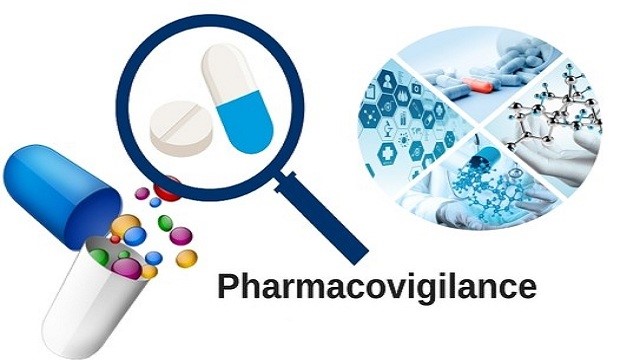
Pharmacovigilance provides the framework for identifying, assessing, understanding, and preventing potential adverse effects associated with medicines. A strong pharmacovigilance program can help organizations establish processes for receiving safety information, evaluating cases, identifying potential signals, maintaining documentation, and supporting regulatory reporting obligations.
Modern drug safety programs also need to work across multiple functions. Clinical operations, regulatory affairs, quality assurance, medical teams, data management, and technology groups may all contribute information to the overall safety process.
This makes the underlying safety system particularly important.
Organizations need processes and technologies that support data integrity, traceability, documentation, controlled access, and reliable reporting. When these elements work together, companies can create a stronger foundation for ongoing safety management.
Building a Reliable Pharmacovigilance & Drug Safety System
A drug safety system should be designed around the organization’s products, operating model, geographic footprint, and regulatory obligations.
Rather than treating Pharmacovigilance & Drug Safety Systems as a collection of isolated activities, companies can establish an integrated framework covering the complete safety lifecycle.
Key components may include:
- Adverse event and safety case management
- Safety data collection and processing
- Case assessment and medical review
- Signal detection and evaluation
- Safety reporting workflows
- Data quality and integrity controls
- Audit trails and documentation
- Standard operating procedures
- Role-based access and governance
- Regulatory reporting processes
- Periodic safety evaluation activities
Technology plays an increasingly important role in these processes. However, implementing a safety platform alone does not automatically create a compliant pharmacovigilance program.
Organizations must also establish appropriate validation, quality controls, documented procedures, user responsibilities, and oversight.
For companies operating in GxP-regulated environments, computerized systems supporting safety activities may also require appropriate validation and lifecycle management. This is where regulatory expertise and Computer System Validation (CSV) capabilities can become valuable.
Post-Market Surveillance Doesn’t End After Product Launch
Once a product enters the market, real-world use can generate information that was not fully visible during clinical development.
Patient populations may become broader, treatment durations may increase, and healthcare professionals may report safety observations from everyday clinical practice. Organizations therefore need structured Post-Market Surveillance & Vigilance Support to continue monitoring product performance and safety.
Post-market activities can include reviewing safety information, monitoring emerging risks, evaluating complaints and relevant reports, identifying potential signals, maintaining safety documentation, and supporting appropriate regulatory communication.
The exact requirements can vary depending on the product type, jurisdiction, indication, and applicable regulations.
For medical device companies, vigilance and post-market surveillance can also involve monitoring incidents, identifying trends, evaluating field information, and maintaining appropriate regulatory documentation.
A coordinated approach helps organizations connect information gathered after commercialization with broader quality and regulatory processes.
Why Data Integrity Matters in Drug Safety
Pharmacovigilance depends heavily on information.
If safety information is incomplete, inconsistent, duplicated, incorrectly classified, or poorly documented, it can create challenges for downstream evaluation and reporting.
Data integrity should therefore be incorporated into the design of drug safety processes rather than treated as an afterthought.
Organizations should establish clear controls for:
- Data entry and review
- User access
- Data changes
- Audit trails
- Record retention
- Case reconciliation
- Documentation
- System interfaces
- Quality checks
- Reporting workflows
Technology can help automate repetitive activities, but human oversight remains important. Safety professionals need appropriate processes for reviewing information, investigating discrepancies, evaluating potential signals, and making documented decisions.
This combination of technology, validated processes, and qualified professionals creates a more resilient drug safety environment.
Regulatory Strategy & Submissions Require Early Planning
Regulatory strategy should not begin immediately before a submission deadline.
For pharmaceutical, biotech, and medical device organizations, regulatory considerations can influence development plans, documentation, system requirements, clinical activities, and commercialization strategies long before a submission is prepared.
A well-developed Regulatory Strategy & Submissions approach considers the product’s development stage, target markets, regulatory pathway, available evidence, submission requirements, and long-term lifecycle plans.
Companies operating internationally may also need to consider differing expectations across regulatory authorities and regions.
A coordinated regulatory strategy can help teams organize documentation, identify potential gaps, establish submission timelines, and maintain consistency between technical, clinical, quality, and regulatory information.
For organizations preparing for interactions with authorities such as the FDA, EMA, MHRA, or other international regulators, having appropriate regulatory expertise can help internal teams better understand expectations and prepare supporting documentation.
Connecting Pharmacovigilance With Regulatory Compliance
One of the biggest challenges for growing life sciences organizations is managing different compliance activities separately.
Pharmacovigilance, quality, regulatory affairs, clinical operations, and technology systems are closely connected. A change in one area can affect another.
For example, implementing a new safety database may require system validation, updated procedures, user training, access controls, and documentation. Similarly, new safety information may influence regulatory assessments and future submissions.
Creating connections between these functions can improve organizational visibility and reduce unnecessary duplication.
BioNetwork Consulting focuses on helping life sciences organizations address complex compliance and operational requirements through specialized expertise. Its broader capabilities in CSV, quality, clinical recruitment, and life sciences consulting can support companies that need both technology-focused and people-focused solutions.
Preparing for a More Complex Regulatory Environment in 2026
Life sciences organizations are managing increasingly sophisticated technologies, larger datasets, global clinical programs, and complex regulatory environments.
This creates a need for drug safety programs that are scalable and adaptable.
Organizations can prepare by:
- Reviewing existing safety processes
Identify manual bottlenecks, documentation gaps, system limitations, and areas where responsibilities are unclear. - Strengthening system controls
Ensure technology supporting regulated processes is appropriately managed, documented, and validated where required. - Improving data governance
Establish consistent processes for data quality, access, traceability, review, and retention. - Connecting safety and regulatory teams
Encourage collaboration between pharmacovigilance, quality, clinical, regulatory, and technology functions. - Planning for global requirements
Consider the expectations of each market where the product is developed, submitted, or commercialized. - Investing in specialized talent
Experienced professionals can help organizations manage complex safety, clinical, quality, validation, and regulatory responsibilities.
Building Confidence Across the Product Lifecycle
Pharmacovigilance and post-market surveillance are fundamental parts of responsible life sciences operations. They help organizations continue evaluating products after commercialization while maintaining appropriate safety and regulatory processes.
At the same time, regulatory strategy provides the structure needed to navigate submissions, changing requirements, and international markets.
The strongest approach connects these functions instead of managing them as separate activities.
BioNetwork Consulting helps pharmaceutical, biotechnology, and medical device organizations address the intersection of compliance, technology, and specialized talent. Its expertise in Computer System Validation, quality, clinical recruitment, and life sciences consulting provides organizations with practical support as they develop systems and teams capable of meeting demanding operational and regulatory requirements.
As the life sciences industry continues evolving in 2026, organizations that establish reliable drug safety systems, strengthen post-market vigilance, and plan regulatory strategies early can create a more structured foundation for product lifecycle management.
The goal is not simply to meet regulatory expectations at a single point in time. It is to develop sustainable systems, processes, and expertise that support quality and compliance throughout the journey from development to commercialization and beyond.