NewCo Formation in Life Sciences: How to Build, Fund, and Scale a Biotech Company from Scratch in 2026
The life sciences industry continues to create opportunities for entrepreneurs, researchers, pharmaceutical companies, biotechnology organizations, and medical device innovators. However, moving an innovation from concept to commercialization involves multiple interconnected challenges.
A scientific discovery may have significant potential, but transforming that discovery into a viable company requires a business structure, development strategy, intellectual property plan, regulatory roadmap, funding model, and experienced team.
This is where NewCo Formation & Spinout Advisory becomes valuable.
A NewCo can be established around a promising technology, therapeutic candidate, medical device, digital health solution, research program, or intellectual property portfolio. Spinouts can also allow universities, research organizations, established companies, or investors to create dedicated businesses around technologies that require focused development and commercialization.
The objective is not simply to create another company. It is to establish an organization with the right foundation to attract investment, develop its technology, meet regulatory expectations, and create long-term commercial value.
What Does NewCo Formation & Spinout Advisory Involve?
Creating a life sciences NewCo requires strategic decisions well before the company begins raising capital or hiring a large team.
The process may include evaluating the underlying technology, defining the business opportunity, assessing intellectual property, identifying development milestones, establishing an operating structure, and determining what resources will be required to reach the next stage.
For a biotech or pharmaceutical startup, this could involve developing a roadmap from preclinical research to clinical development. For a medical device company, the focus may include product development, quality systems, regulatory requirements, clinical evidence, and commercialization planning.
A strong formation strategy should answer important questions:
- What technology or intellectual property will form the foundation of the company?
- What problem does the product or platform solve?
- Who are the target customers or patients?
- What regulatory pathway may apply?
- What milestones must be achieved before the next funding round?
- Which scientific, regulatory, clinical, and operational professionals are required?
- Should the technology be developed internally, licensed, partnered, or acquired?
Answering these questions early can provide greater clarity as the organization moves forward.
Building a Practical Funding and Investment Strategy
Capital is one of the most important resources for any emerging life sciences company. However, funding should be connected to development milestones rather than treated simply as a source of operating cash.
A biotech company may require multiple financing stages as it progresses through research, preclinical development, clinical trials, regulatory activities, and commercialization. Medical device and diagnostic companies may follow different development and regulatory timelines.
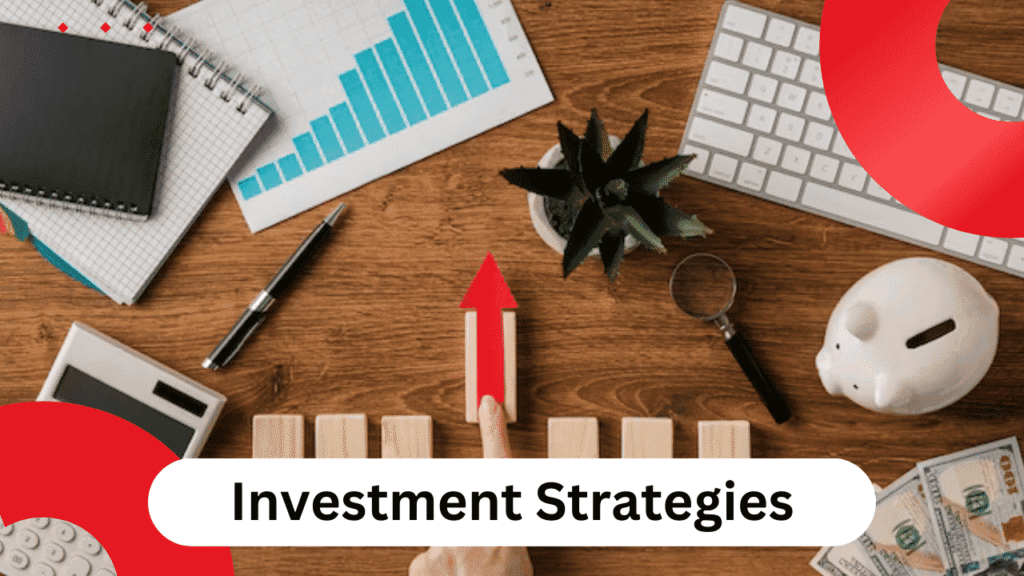
A well-designed Funding and Investment Strategies considers the company’s current stage, capital requirements, risk profile, development milestones, and long-term objectives.
Potential funding sources can include founder capital, strategic investors, venture capital, institutional investment, partnerships, grants, licensing arrangements, and other financing structures.
The right strategy depends on the nature of the technology and the stage of development.
For example, an early-stage company may focus on securing enough funding to demonstrate proof of concept. A company approaching clinical development may need substantially greater resources for regulatory preparation, clinical operations, specialized personnel, and technology development.
Investors also need a clear understanding of what their capital will accomplish. Establishing measurable milestones can make fundraising discussions more structured and help management communicate the company’s progress.
Due Diligence Before a Merger or Acquisition
Mergers and acquisitions can provide life sciences companies with access to technologies, intellectual property, products, talent, markets, and development capabilities. However, evaluating an acquisition opportunity requires much more than reviewing financial statements.
M&A Due Diligence & Licensing Advisory can help organizations examine the broader risks and opportunities associated with a transaction.
In life sciences, due diligence may involve reviewing:
- Intellectual property ownership and protection
- Regulatory history and obligations
- Clinical and preclinical data
- Quality management systems
- Computerized systems and data integrity
- Product development status
- Manufacturing capabilities
- Contracts and licensing agreements
- Commercial opportunities
- Existing liabilities and compliance concerns
- Specialized personnel and organizational capabilities
Regulatory and quality considerations can significantly affect the value of an acquisition. A technology may appear commercially attractive, but unresolved compliance issues, incomplete documentation, uncertain intellectual property rights, or development risks can influence the overall transaction.
A structured due diligence process helps decision-makers understand these factors before committing resources.
Licensing Can Create New Paths to Growth
Not every company needs to develop every technology internally.
Licensing can allow organizations to access innovative technologies, intellectual property, therapeutic candidates, platforms, or products without building the entire capability from the ground up.
For technology owners, licensing can create opportunities to generate revenue while allowing another organization to develop and commercialize the technology.
For companies seeking innovation, licensing can shorten the path to accessing specialized technologies and scientific capabilities.
However, licensing agreements require careful evaluation. Organizations should consider ownership rights, geographic territories, development obligations, milestones, royalties, exclusivity, regulatory responsibilities, commercialization commitments, and termination provisions.
This is why Licensing Advisory can play an important role in strategic growth and technology transactions.
Compliance Should Be Built Into the Business From the Beginning
For life sciences companies, compliance cannot be treated as something that begins immediately before an audit or regulatory submission.
It should be incorporated into the company’s operating model from the earliest stages.
BioNetwork Consulting brings expertise in Computer System Validation (CSV), GxP-regulated systems, quality assurance, and regulatory compliance. This perspective can be particularly valuable for emerging companies establishing digital infrastructure and quality processes.
As organizations adopt software platforms for clinical operations, laboratories, manufacturing, data management, and business processes, those systems may need to operate within applicable GxP expectations.
Establishing appropriate validation, documentation, risk management, data integrity, and quality practices early can create a stronger foundation for future growth.
The Importance of Specialized Life Sciences Talent
A promising technology still needs experienced people to move it forward.
NewCo formation and business expansion often require professionals across scientific, regulatory, clinical, quality, technology, and operational functions. Finding people with the right combination of technical knowledge and life sciences experience can be challenging.
BioNetwork Consulting also provides Clinical Trial Recruitment services, connecting organizations with specialized professionals throughout the clinical development lifecycle.
For a growing company, access to appropriate talent can support study startup, clinical operations, regulatory activities, quality programs, and other critical development functions.
Talent planning should therefore be considered alongside funding and business strategy rather than treated as a separate activity.
Connecting Strategy, Compliance, and Commercial Growth
Successful life sciences companies rarely grow through a single strategic decision. Growth is usually the result of multiple elements working together.
A NewCo needs a clear commercial purpose. Its technology needs a defensible development strategy. Investors need visibility into milestones and opportunities. Regulatory requirements need to be understood. Intellectual property needs protection. Clinical and technical teams need to be established. Potential partnerships and licensing opportunities need to be evaluated carefully.
This integrated perspective is particularly important when companies are considering spinouts, fundraising, acquisitions, or licensing transactions.
BioNetwork Consulting combines life sciences consulting expertise with specialized talent solutions to support organizations across pharmaceuticals, biotechnology, medical devices, CROs, CDMOs, and related sectors.
Building a Stronger Foundation for the Next Stage
The journey from scientific innovation to a successful life sciences company can take years and involve numerous strategic decisions. The choices made during formation can influence future investment, partnerships, regulatory readiness, and commercialization.
NewCo Formation & Spinout Advisory can help establish the foundation. Funding and Investment Strategies can connect capital requirements with development milestones. M&A Due Diligence & Licensing Advisory can help organizations evaluate transactions, technologies, and partnership opportunities with greater clarity.
At BioNetwork Consulting, the focus is on helping life sciences organizations bring together compliance, technology, talent, and strategic planning. By approaching innovation with both scientific ambition and regulatory discipline, companies can build stronger pathways from early-stage concepts to market-ready solutions.
For organizations planning a new venture, evaluating an investment opportunity, preparing for a transaction, or exploring licensing possibilities, strategic guidance can make each stage more structured and informed.
BioNetwork Consulting supports life sciences organizations with the expertise needed to navigate complex regulatory and operational environments while building the teams and systems required for sustainable growth.