AI in Pharmacovigilance: How Intelligent
Automation Is Transforming Drug Safety in 2026
Pharmacovigilance is entering a new era as pharmaceutical and biotechnology companies face growing volumes of safety data and increasing pressure to identify potential risks quickly. Every year, organizations process large numbers of adverse event reports, medical records, clinical trial data, scientific publications, and other sources of information that can provide important insights into the safety of medicines and medical products. As the volume and complexity of this information continues to increase, artificial intelligence and intelligent automation are becoming valuable tools for helping pharmacovigilance teams work more efficiently while maintaining rigorous standards for patient safety and regulatory compliance.In 2026, the conversation around AI in pharmacovigilance has moved beyond experimentation. Organizations are increasingly exploring how AI can support adverse event intake, case processing, literature monitoring, signal detection, data classification, and other safety activities. Recent industry coverage has highlighted the potential of AI-powered automation to reduce the time required for adverse-event case intake while helping teams manage growing safety-report volumes

Why Pharmacovigilance Is Becoming More Data-Intensive
Modern pharmacovigilance teams operate across an increasingly complex data environment. Safety information can originate from clinical trials, spontaneous adverse event reports, medical literature, healthcare professionals, patients, regulatory databases, and post-market surveillance activities. Each source can contain valuable information, but processing and evaluating that information manually can require significant time and specialized expertise.
The challenge becomes even greater as pharmaceutical companies expand their product portfolios across multiple markets. Different regions may have different reporting requirements, timelines, formats, and regulatory expectations. Safety teams therefore need processes that can handle large quantities of information while maintaining consistency, traceability, and accuracy.
AI can help address some of these challenges by automating repetitive activities and helping professionals identify relevant information more efficiently. Instead of manually reviewing every piece of data in the same way, teams can use intelligent systems to prioritize information that requires closer attention.
How AI Can Support Adverse Event Processing
Adverse event case processing is one of the areas where automation can potentially deliver significant operational benefits. Traditional case processing can involve receiving a report, extracting relevant information, determining whether it represents a valid case, coding medical terminology, identifying missing information, and preparing documentation for further review.
AI-powered systems can assist with several of these activities by extracting relevant information from structured and unstructured sources. Natural language processing can help identify symptoms, medicines, patient characteristics, dates, and other important information from reports and documents.
Automation does not mean removing qualified pharmacovigilance professionals from the process. Instead, AI can perform repetitive preliminary activities while safety experts review outputs, investigate exceptions, and make decisions that require professional judgment. This human-in-the-loop approach can help organizations increase efficiency while maintaining appropriate oversight.


Data Quality and Integrity Must Remain a Priority
The effectiveness of an AI system depends heavily on the quality of the data it receives. In pharmacovigilance, inaccurate, incomplete, duplicated, or poorly structured data can affect downstream analysis and potentially influence safety decisions.
Organizations implementing AI should therefore establish strong data governance processes. Data should be traceable to its source, appropriately controlled, and maintained throughout its lifecycle. Systems should also provide appropriate audit trails and access controls so organizations can demonstrate how information was processed and who performed important activities.
This is particularly important in regulated environments where computerized systems supporting GxP processes may require validation. BioNetwork Consulting specializes in Computer System Validation (CSV) for GxP-regulated systems, helping life sciences organizations establish validated and compliant digital environments.
When AI is introduced into a regulated pharmacovigilance workflow, organizations should consider not only whether the technology produces useful results but also whether the complete process remains controlled, documented, and appropriate for its intended use.
Pharmacovigilance Teams Will Need New Skills
AI will not eliminate the need for pharmacovigilance professionals. Instead, it is likely to change the skills required within modern safety teams.
Professionals may increasingly need to understand how automated systems work, how AI-generated outputs should be reviewed, how data quality affects model performance, and how potential errors should be escalated. Scientific and regulatory expertise will remain essential, but teams may also need greater familiarity with digital technologies and data-driven workflows.
This creates an opportunity for organizations to strengthen their teams through specialized talent acquisition and strategic recruitment. BioNetwork Consulting provides biotech recruiting and clinical trial recruitment services, connecting pharmaceutical, biotechnology, CRO, and medical device organizations with specialized professionals across the clinical development lifecycle.
Combining technology with experienced professionals can create a stronger foundation for modern pharmacovigilance operations.

Connecting Pharmacovigilance With Broader Digital Transformation
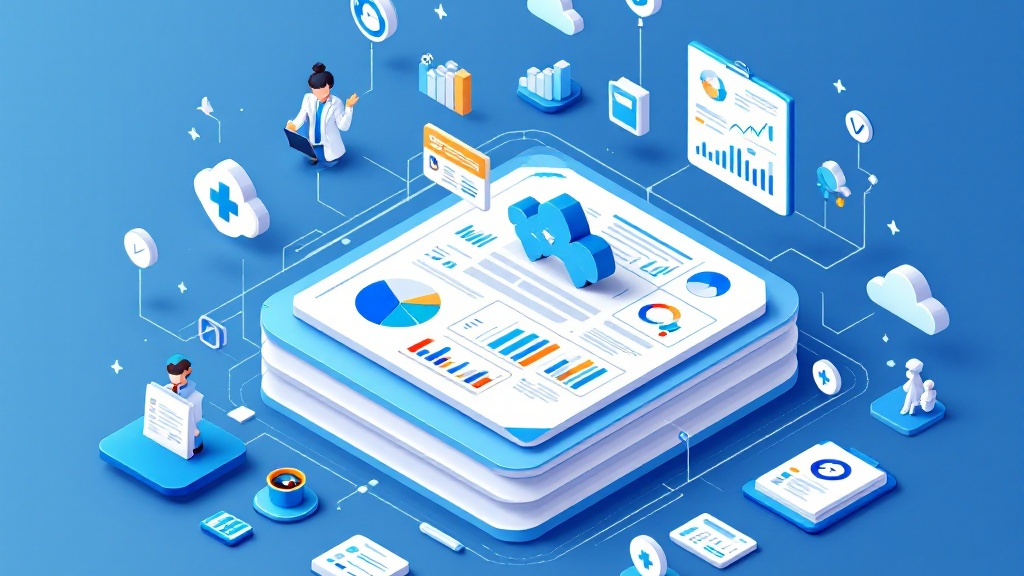
AI should not be implemented as an isolated tool. Its greatest value can come when it becomes part of a connected digital ecosystem that includes safety databases, clinical systems, quality management platforms, regulatory processes, and data analytics.
A connected approach can reduce duplicate data entry and make it easier for teams to access relevant information across the product lifecycle. It can also create opportunities for organizations to identify relationships between clinical development data and post-market safety information. However, integration introduces additional considerations around data flows, system interfaces, cybersecurity, validation, access management, and change control. A successful digital transformation strategy therefore needs to balance technical integration with regulatory and quality requirements.
BioNetwork Consulting supports life sciences organizations across areas including Computer System Validation, regulatory compliance, quality systems, clinical operations, patient recruitment, and process optimization. Its broader service portfolio is designed around helping organizations connect compliance, technology, and specialized talent.
Conclusion
AI is changing pharmacovigilance by creating new opportunities to process safety information faster, identify potential signals more efficiently, and reduce repetitive operational work. As safety-data volumes continue to grow, intelligent automation can help pharmacovigilance teams focus more of their time on analysis, investigation, and patient-safety decisions. However, AI adoption in a regulated life sciences environment requires more than advanced software. Organizations need reliable data, validated systems, qualified professionals, documented processes, and appropriate human oversight.
BioNetwork Consulting helps life sciences organizations build this foundation through Computer System Validation, regulatory and quality support, clinical recruitment, and specialized consulting services. By bringing technology, compliance, and talent together, organizations can prepare for a future in which pharmacovigilance is increasingly intelligent, connected, and proactive. The future of drug safety will not be defined by AI alone. It will be defined by how effectively life sciences organizations combine artificial intelligence with scientific expertise, regulatory discipline, and a commitment to patient safety.