FDA Inspection Readiness in 2026: How Life Sciences Companies Can Stay Audit-Ready Year-Round
Regulatory inspections have always been an essential part of the pharmaceutical, biotechnology, and medical device industries, but in 2026 the expectations placed on organizations continue to grow. Regulatory agencies are placing greater emphasis on data integrity, digital system validation, quality management, supplier oversight, and risk-based decision-making. Companies that view inspection readiness as an ongoing process rather than a last-minute preparation effort are better positioned to maintain compliance and accelerate product development. Building a culture of quality not only reduces regulatory risk but also improves operational efficiency, strengthens customer confidence, and supports faster innovation. BioNetwork Consulting specializes in helping life sciences organizations achieve these objectives through regulatory consulting, Computer System Validation (CSV), and clinical operations expertise.
Why FDA Inspection Readiness Matters More Than Ever
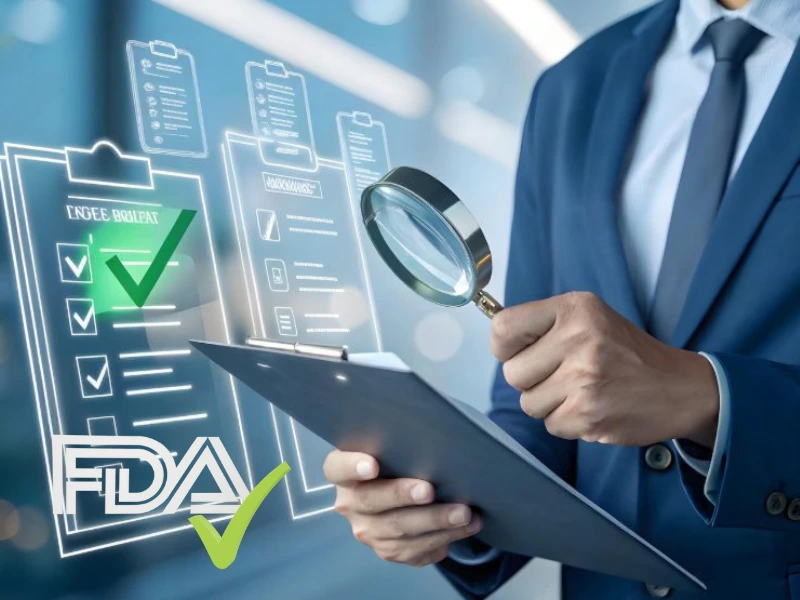
An FDA inspection is more than a review of documentation—it is an assessment of how effectively an organization manages quality throughout its operations. Inspectors evaluate whether computerized systems are validated, procedures are consistently followed, employees are adequately trained, and records accurately reflect daily activities. Even organizations with innovative products can experience costly delays if compliance gaps are identified during an inspection.
Inspection readiness should therefore become part of everyday business operations rather than an activity initiated shortly before an audit. Organizations that continuously monitor compliance are typically better prepared for regulatory reviews and experience fewer operational disruptions. This proactive approach supports both business continuity and long-term regulatory success.
Computer System Validation Is the Foundation of Compliance
As pharmaceutical and biotechnology companies continue adopting cloud-based applications, laboratory information management systems (LIMS), manufacturing execution systems (MES), electronic quality management systems (eQMS), and clinical trial platforms, validating these technologies has become increasingly important. Computer System Validation ensures that regulated software consistently performs as intended while maintaining data integrity and compliance with global regulatory expectations.
Without proper validation documentation, organizations may struggle to demonstrate that critical systems produce reliable and traceable data. A comprehensive validation strategy includes risk assessments, validation planning, testing protocols, traceability matrices, change control, and periodic system reviews.
BioNetwork Consulting provides comprehensive Computer System Validation (CSV) Services that help organizations validate GxP-regulated systems while supporting compliance with FDA regulations and international standards.

Building Strong Quality Management Systems
Quality management extends beyond documentation. Successful organizations create processes that encourage continuous improvement, accountability, and risk management throughout the product lifecycle. Every department—from research and development to manufacturing and quality assurance—plays an important role in maintaining compliance.
A robust Quality Management System (QMS) supports standardized procedures, deviation management, corrective and preventive actions (CAPA), internal audits, supplier qualification, employee training, and document control. When these elements work together effectively, organizations can identify potential issues before they become regulatory findings.
Modern digital quality platforms combined with experienced regulatory consultants enable organizations to maintain consistent compliance while improving operational efficiency.
Clinical Operations Require Continuous Regulatory Oversight
Clinical trials operate within one of the most highly regulated environments in healthcare. Every stage, from study startup and patient recruitment to data collection and post-market surveillance, requires meticulous documentation and regulatory oversight. Inspection readiness within clinical operations depends on maintaining complete, accurate, and timely records while ensuring study protocols are consistently followed.
Organizations conducting clinical studies often face challenges involving staffing, protocol adherence, site management, and participant recruitment. Partnering with experienced clinical consulting professionals helps organizations maintain quality standards while meeting demanding project timelines.
BioNetwork Consulting supports sponsors, biotechnology companies, and CROs through specialized Clinical Recruitment and Clinical Operations Services, providing experienced professionals across every phase of the clinical development lifecycle.


Leveraging Digital Transformation Without Increasing Compliance Risk
Artificial intelligence, automation, cloud computing, and advanced analytics are transforming life sciences operations. While these technologies improve efficiency and accelerate decision-making, they also introduce new compliance considerations. Organizations must ensure digital systems remain validated throughout their lifecycle and that software updates, cybersecurity controls, and electronic records continue meeting regulatory expectations.
Inspection-ready organizations establish governance frameworks that evaluate technology implementation from both operational and compliance perspectives. Rather than viewing innovation and regulation as competing priorities, successful companies integrate them into a unified quality strategy that supports sustainable growth.
Working with experienced life sciences consultants allows organizations to adopt modern technologies while maintaining regulatory confidence and minimizing implementation risks.
Conclusion
The regulatory landscape continues to evolve as pharmaceutical, biotechnology, and medical device organizations embrace digital transformation and innovative therapies. Maintaining FDA inspection readiness requires far more than organizing documents before an audit—it demands validated systems, effective quality management, experienced personnel, and a commitment to continuous improvement.
BioNetwork Consulting helps life sciences organizations navigate these challenges through specialized Computer System Validation, regulatory consulting, quality assurance, and clinical operations support. By combining deep industry expertise with practical implementation strategies, they enable organizations to remain audit-ready, reduce compliance risks, and accelerate innovation without compromising quality.
Organizations that invest in continuous inspection readiness today will be better prepared for tomorrow’s regulatory expectations while bringing safe, effective healthcare solutions to patients more efficiently.