Data Governance & Master Data Management (MDM) for Life Sciences
The Importance of Data Governance in Life Sciences
In today’s life sciences environment, data is the lifeblood of innovation. Accurate, reliable, and compliant data is critical for R&D, clinical trials, regulatory submissions, and commercial operations. Poor data governance can result in regulatory penalties, compromised study results, and costly inefficiencies. Data Governance ensures that all data clinical, laboratory, operational is properly managed, standardized, and controlled according to GxP and regulatory requirements.

Challenges in Managing Life Sciences Data
Managing data in pharmaceutical, biotech, and medical device organizations comes with unique challenges:
Fragmented Systems: Data often resides across multiple platforms—LIMS, EDC, CTMS, ERP, and CRM.
Data Quality Issues: Duplicate records, incomplete datasets, and inconsistent formats can hinder decision-making.
Regulatory Compliance: Data must comply with 21 CFR Part 11, EU Annex 11, and other global standards.
Scalability: As organizations grow, data volume and complexity increase, requiring robust governance.
BioNetwork Consulting helps overcome these challenges with structured, GxP-compliant MDM strategies.For a coordinated engagement, sponsors may also benefit from Data Integrity and Software Implementation to strengthen related planning and execution. Biostatistics and Data Analysis can add complementary quality, compliance, technology, or operational support.
Our Approach to Master Data Management (MDM)
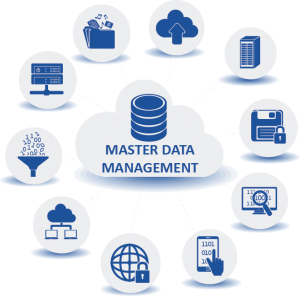
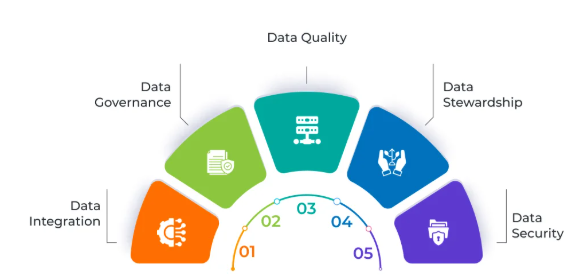
Our MDM services are designed to centralize, standardize, and validate data across all life sciences systems. Key steps include:
Data Assessment: Audit and classify existing datasets for quality and compliance gaps.
Data Standardization: Harmonize data definitions, formats, and terminologies.
Data Integration: Connect siloed systems for a single source of truth.
Data Validation: Ensure accuracy, consistency, and traceability for regulatory purposes.
Ongoing Governance: Implement policies, procedures, and monitoring for long-term data integrity.

Key Benefits of BioNetwork’s Data Governance Services
Partnering with BioNetwork Consulting for data governance and MDM ensures:
Regulatory Compliance: Meet FDA, EMA, and global audit requirements.
Improved Decision-Making: Access to clean, reliable, and harmonized data.
Operational Efficiency: Reduce redundancies and streamline processes.
Scalability: Flexible frameworks that grow with your organization.
Risk Mitigation: Minimize errors and compliance risks across R&D and clinical operations.
Data Governance & MDM Solutions We Offer
Our comprehensive services include:
Data quality assessment and remediation
Master Data Management implementation
System integration and harmonization
Data lineage and traceability documentation
Compliance monitoring and audit preparation
Standard operating procedures for data management
Cloud and on-premises data platform support
Ensuring Compliance Across All Systems
We ensure that all R&D, clinical, and commercial systems follow GxP and regulatory standards. This includes:
Audit-ready reporting and documentation
Validation of data management systems
Continuous monitoring for integrity and accuracy
Vendor and third-party system qualification
Our approach provides peace of mind that your critical life sciences data is reliable, compliant, and ready for regulatory review.
Industry Applications of Data Governance & MDM
Pharmaceutical R&D: Centralized compound, assay, and experimental data
Clinical Trials: Standardized patient, site, and outcome data for trials
Medical Devices: Unified device performance and safety data
Biotech Manufacturing: Harmonized process and QC data
BioNetwork Consulting ensures consistent, accurate, and compliant data across all life sciences domains.


Strategic Integration Across the Development Lifecycle
Life sciences projects rarely move forward through one function in isolation. Scientific decisions affect regulatory strategy, regulatory commitments influence quality and operational requirements, and technology choices shape data integrity and inspection readiness. BioNetwork Consulting emphasizes cross-functional alignment so teams can establish clear ownership, identify dependencies earlier, and build practical plans that remain scalable as programs advance.
Risk-Based Planning and Execution
A risk-based approach helps organizations focus resources on activities most likely to affect patient safety, product quality, data reliability, regulatory acceptance, or development timelines. Rather than treating every process or system as equally complex, teams can prioritize critical decisions, define appropriate controls, document rationale, and establish measurable checkpoints while maintaining the rigor expected in regulated life sciences environments.
Practical Support for Growing Life Sciences Organizations: The needs of a startup, emerging biotech, established pharmaceutical company, medical device manufacturer, or technology provider can differ substantially. BioNetwork Consulting can tailor the scope to organizational maturity, internal capabilities, development stage, geographic footprint, and regulatory obligations. Support may range from targeted assessments and remediation plans to hands-on implementation and ongoing advisory support.
Building Regulatory and Commercial Readiness: The objective is to create an operating model that can withstand increasing scientific complexity, organizational growth, and regulatory scrutiny. Clear documentation, reliable data, qualified partners, effective quality processes, and cross-functional communication all contribute to that outcome. Addressing these elements together can reduce avoidable rework, improve decision-making, and maintain momentum from early development through clinical milestones, manufacturing, submission, and commercialization.